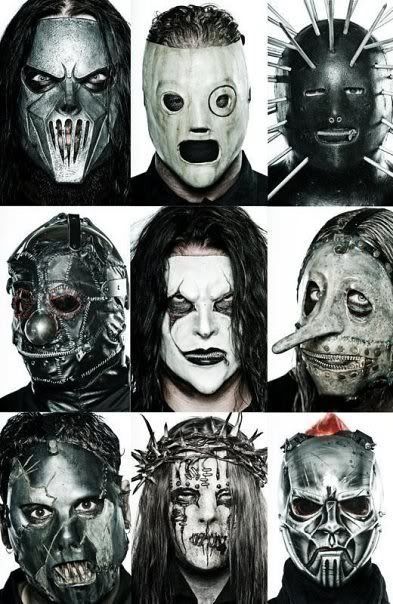
Nine faces. Nine histories. One monster.
Some groups build recognition through melodies. Slipknot built it by removing identity altogether.
When they stepped onto stages at the end of the 1990s, the audience saw figures that looked less like musicians and more like survivors of some emotional catastrophe. Faces were replaced with pigs, clowns, demons, machines, jesters, and corpses. It was shocking, marketable, and unforgettable.
But with time, something deeper became obvious.
The masks were changing because the people behind them were changing.
Fame, addiction, exhaustion, grief, maturity, and responsibility kept rewriting the faces. If you follow each redesign carefully, you can track the psychological timeline of the band from reckless youth to hardened legacy act.
Below is the full breakdown — member by member, era by era — including the darker realities that shaped those transformations.
Who started the mask culture?
The tradition is usually traced back to percussionist Shawn Crahan . Wearing a clown face during early rehearsals helped him abandon self-consciousness and enter a violent, theatrical mindset.
It worked. Others followed.
Very quickly, anonymity became a weapon. Individual celebrity mattered less than the collective impact. Instead of nine personalities, the audience faced one organism.
The rule of evolution
Slipknot rarely repeats a design. Each album cycle tends to bring updates. Sometimes the changes are subtle; sometimes they are drastic.
Why?
Because repetition would mean stagnation.
And stagnation is the opposite of what the band represents.
Member Mask Meanings & Dark Transformations
Sid Wilson (No. 0)

Identity
Pure chaos.
Sid’s masks swing between gas-mask horror, skeletal imagery, and mechanical nightmare fuel. They rarely look comfortable or stable.
Evolution
Where other members refine, Sid mutates. Every era feels like a new creature.
Dark fact
His infamous stage dives and injuries mirror the danger of the visuals. The recklessness is not pretend.
Joey Jordison (No. 1)

Identity
Theatrical control.
Inspired by Kabuki aesthetics, the pale face became one of the defining images of early Slipknot.
Evolution
Gradually darker, more worn, more severe.
Dark fact
Years later, serious health issues removed him from the drum throne. Looking back, the superhuman image clashes painfully with human vulnerability.
Paul Gray (No. 2)

Identity
Moral decay, excess, disgust.
Evolution
Refined but never abandoned its pig-like accusation.
Dark fact
After his death in 2010, the mask stopped evolving. It became memorial, symbol, relic.
Chris Fehn (No. 3)

Identity
Grotesque humor.
Evolution
The nose remained but surfaces grew harsher, less playful.
Dark fact
The comic appearance distracted from how violently physical his performances were.
Jim Root (No. 4)

Identity
Innocence destroyed by time.
Evolution
The jester aged into something closer to an executioner.
Dark fact
Few visual journeys show the passage from youth to experience so clearly.
Craig Jones (No. 5)

Identity
Silence.
Craig rarely grants interviews. The spiked helmet reinforces distance from fame.
Evolution
Minimal change. Maximum intimidation.
Dark fact
He may represent the purest form of ego removal in the entire band.
Shawn Crahan (No. 6)

Identity
Art shaped by pain.
Evolution
From aggressive carnival villain to something increasingly aware of mortality.
Dark fact
Personal tragedies transformed the clown. The smile often looks heavy rather than hostile.
Mick Thomson (No. 7)

Identity
Professional brutality.
Evolution
Sharper, cleaner, more imposing.
Dark fact
While others reinvent wildly, Mick’s consistency suggests survival through discipline.
Corey Taylor (No. 8)

Identity
Emotional exposure.
Evolution
From corpse-like anonymity to complex distortion. Later designs often feel introspective rather than explosive.
Dark fact
As frontman, his mask becomes the emotional barometer of each era.
The shift after loss
After Paul’s death, many fans noticed that shock value softened while symbolism intensified. The masks began to carry memory rather than just threat.
It marked the moment Slipknot transitioned from rising chaos to historical institution.
Why modern masks hit differently
Age changes aggression. Survival adds perspective. What once screamed now contemplates.
The horror did not disappear. It matured.
Final thoughts
Few artists document their inner lives so visually. Across decades, Slipknot turned fabric, metal, and latex into autobiography.
New masks will come.
New meanings will form.
The record of change will continue.
If you spot updates or tour variations we should analyze, visit our contact page and let us know.
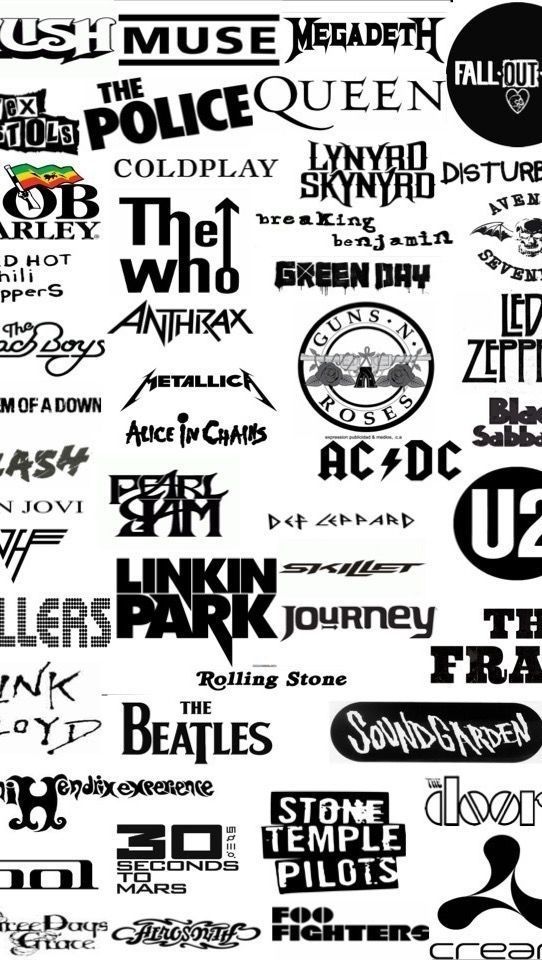
And if you like deep explorations of heavy music history, check out our guide to the top rock bands that defined generations.

FAQ
Why do they wear masks?
To remove ego and transform personal emotion into collective identity.
Who started it?
Shawn Crahan introduced the idea in early rehearsals.
Do masks change every album?
Usually, yes. They reflect new themes and personal states.
Did tragedies influence designs?
Strongly. After Paul Gray’s death, symbolism became heavier and more reflective.
Thanks for reading!!
Last Updated: 02/15/2026